TB-500 is the synthetic fragment behind a large body of cell-migration and tissue-repair research. Here is what it is, and what to look for when sourcing it.
TB-500 sits alongside BPC-157 as one of the most frequently referenced compounds in tissue-repair and cell-migration research. It is also one of the most misunderstood — partly because its name gets used loosely for the whole protein it is derived from. This guide clears that up and explains what matters when sourcing it, strictly for in-vitro, research use only.
What TB-500 actually is
TB-500 is a synthetic peptide based on the active region of Thymosin Beta-4 (TΒ4), a naturally occurring 43-amino-acid protein found in almost every mammalian cell. Thymosin Beta-4's main job is to bind and sequester monomeric G-actin, which makes it central to how cells build and dismantle their internal scaffolding.
The point researchers care about is a short stretch within that protein — the actin-binding domain, often written LKKTETQ. TB-500 reproduces that functional region rather than the entire protein, which makes it cheaper to synthesise and easier to work with while keeping the actin-binding behaviour that most studies are interested in.
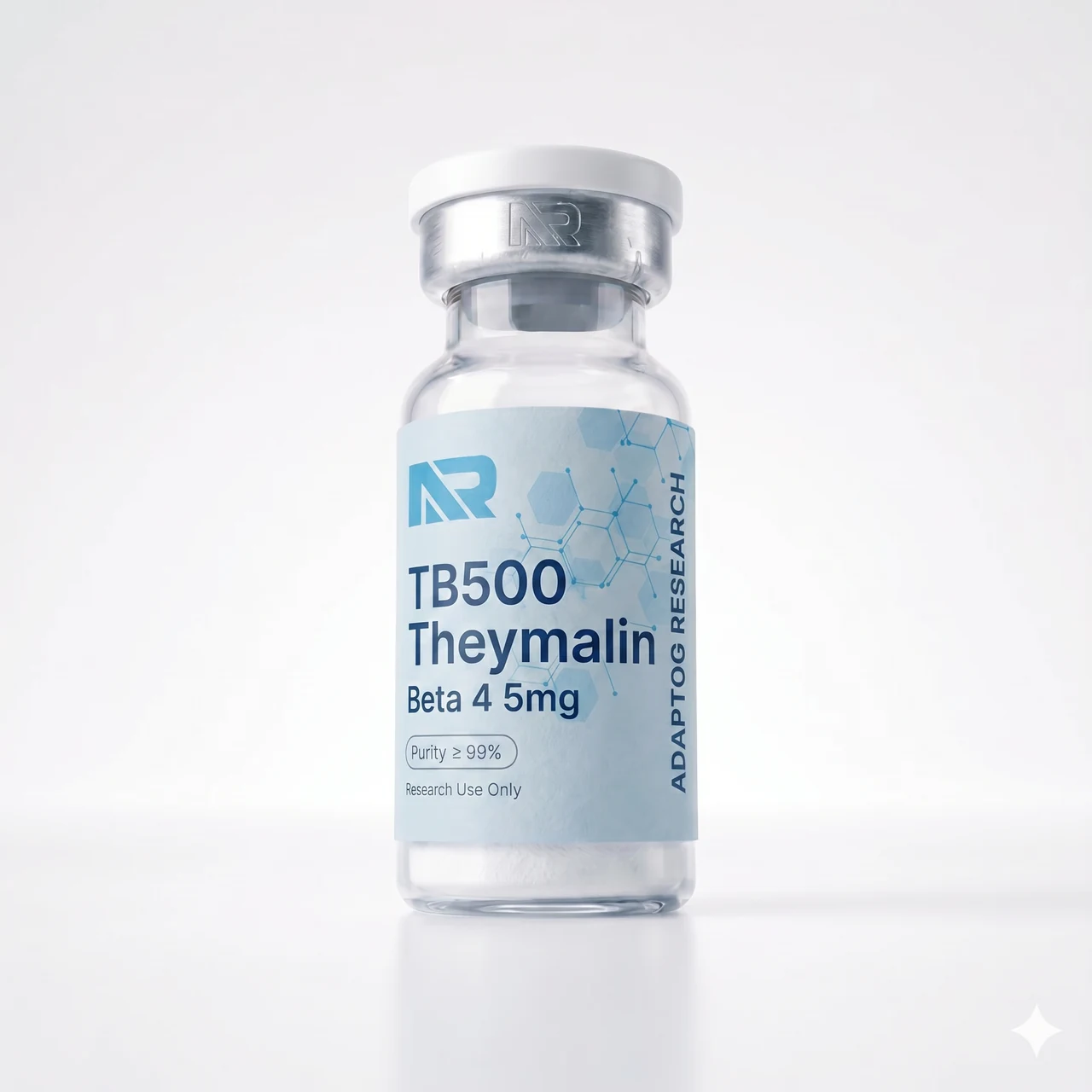
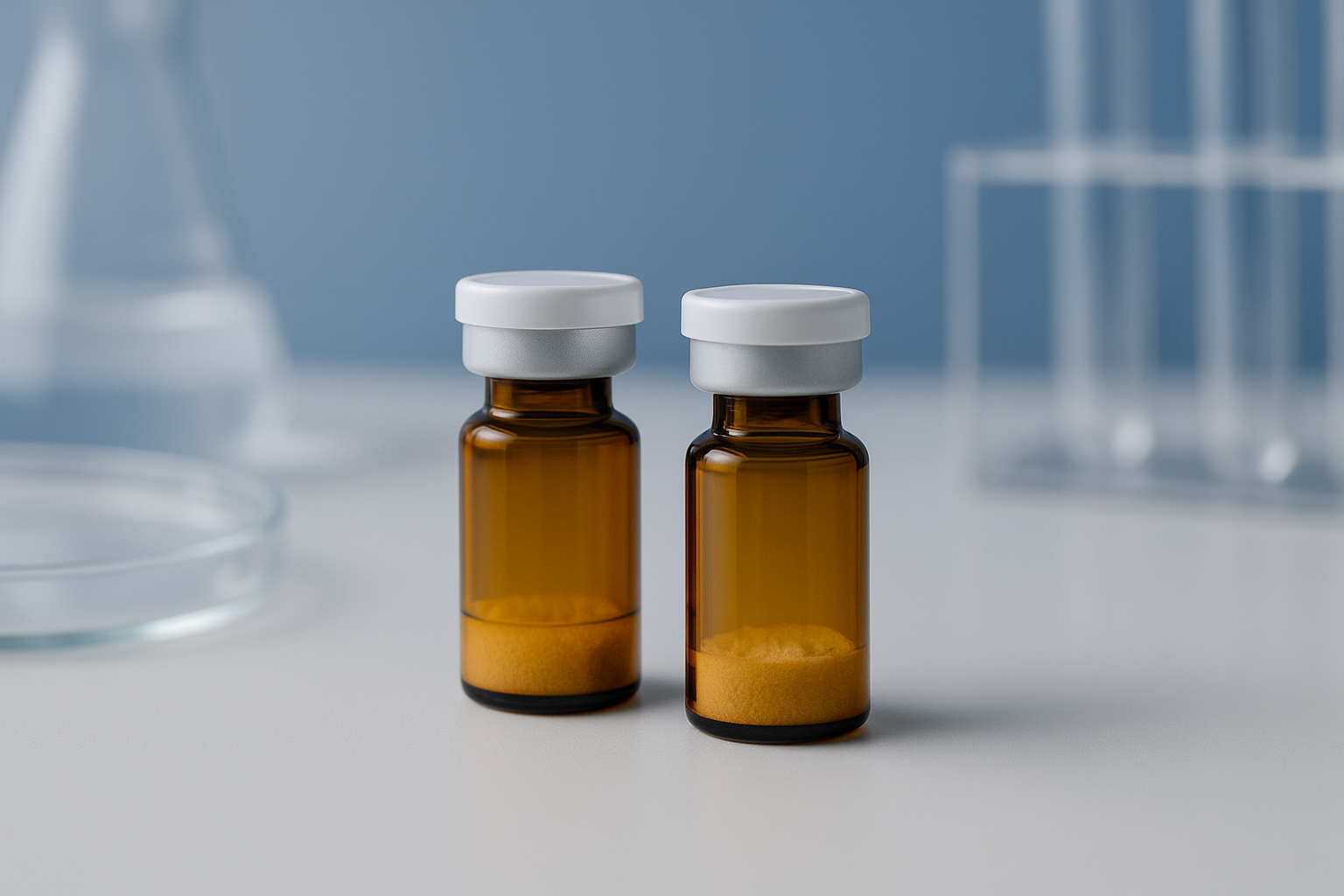
So when a vial is labelled "TB-500", you are buying a synthetic fragment, not full-length Thymosin Beta-4. Both appear in the literature, and good suppliers are clear about which one they are selling.
Where the research focus sits
Most laboratory interest in TB-500 centres on two linked themes:
- Cell migration. By influencing the pool of available G-actin, the fragment is studied for its effect on how cells move — a process underlying wound models and tissue remodelling.
- Angiogenesis and cytoskeletal remodelling. TB-500 turns up in endothelial-cell and vascular models looking at new vessel formation and the reorganisation of the actin cytoskeleton.
None of this describes human or clinical use. The compound is supplied for controlled in-vitro work, and the framing throughout the literature is mechanistic.
Why purity is the whole game
A peptide fragment is only useful if it is actually the sequence on the label, at a known purity. Two numbers decide that:
- HPLC purity tells you how much of the vial is the target peptide versus truncated or deletion by-products. UKPeptides releases TB-500 at 99% HPLC-verified purity.
- Mass spectrometry confirms identity — that the measured molecular weight matches the intended sequence.
A batch-specific Certificate of Analysis should carry both, with a lot number that matches the vial in your hand. A purity claim without a batch-matched chromatogram is marketing, not evidence.
Handling and reconstitution
TB-500 ships lyophilised and needs reconstituting before use. It can take a little longer than smaller peptides to dissolve fully — gentle swirling and a few minutes at room temperature usually does it; never shake or vortex. Our peptide reconstitution calculator works out the exact concentration from your vial size and bacteriostatic water volume.
Researchers frequently study it next to BPC-157, which is why the two are also offered as a BPC-157 + TB-500 blend. Single-compound TB-500 is available for work that needs the fragment on its own.
What to check before you buy
- Is it described as a Thymosin Beta-4 fragment, not the full protein?
- Is there a recent, batch-matched COA with both HPLC and MS?
- Is the testing laboratory named and independent of the seller?
- Is it shipped lyophilised and cold-chain protected?
For research use only. This article is educational and does not describe human, clinical or veterinary use.
Written and reviewed to our editorial standards. Explore the research peptide catalog or read more in Research Notes.
For research use only · Not for human or veterinary use