A peptide is only as good as the way it is stored. Here is what actually degrades them, and how long they realistically last in each state.
You can buy a peptide at 99% purity and still ruin it in a week with poor storage. The chemistry that makes peptides useful — a defined chain of amino acids — is also what makes them sensitive to heat, moisture and repeated handling. This guide covers how to keep research peptides viable, in both their dry and reconstituted states.
Lyophilised peptides: built to last
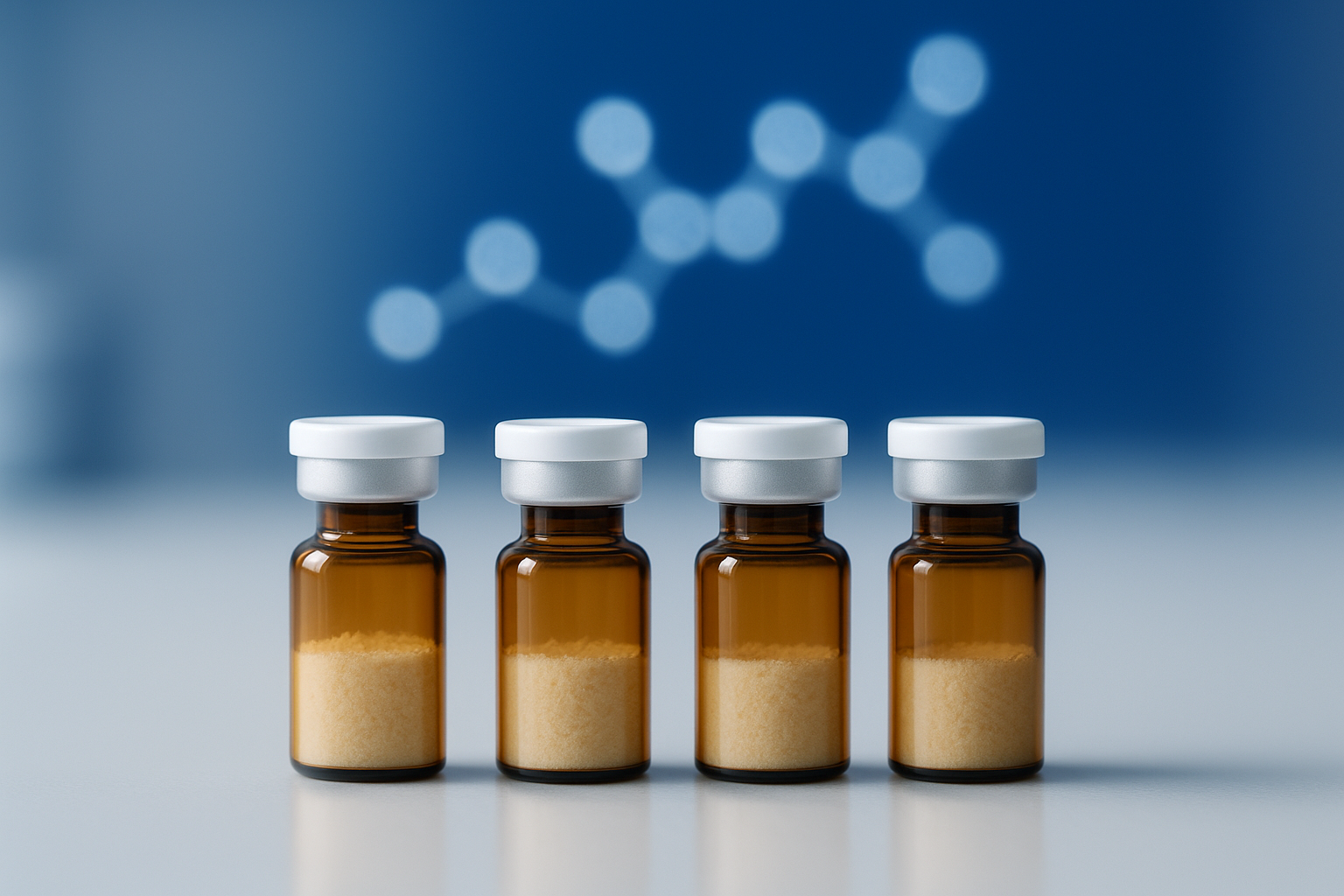
Peptides are shipped lyophilised (freeze-dried) for a reason: in dry form they are remarkably stable. With moisture removed, the reactions that break peptides down slow to a crawl.
- Short term, a sealed lyophilised vial tolerates a few weeks at room temperature — which is why cold-chain shipping is about caution, not necessity, for most compounds.
- Long term, store the dry vial at -20°C, protected from light and moisture. Under those conditions many peptides remain stable for 24 months or more.
The enemy of a dry peptide is humidity. Let a cold vial warm to room temperature before opening it, so condensation does not form inside.
Reconstituted peptides: the clock starts
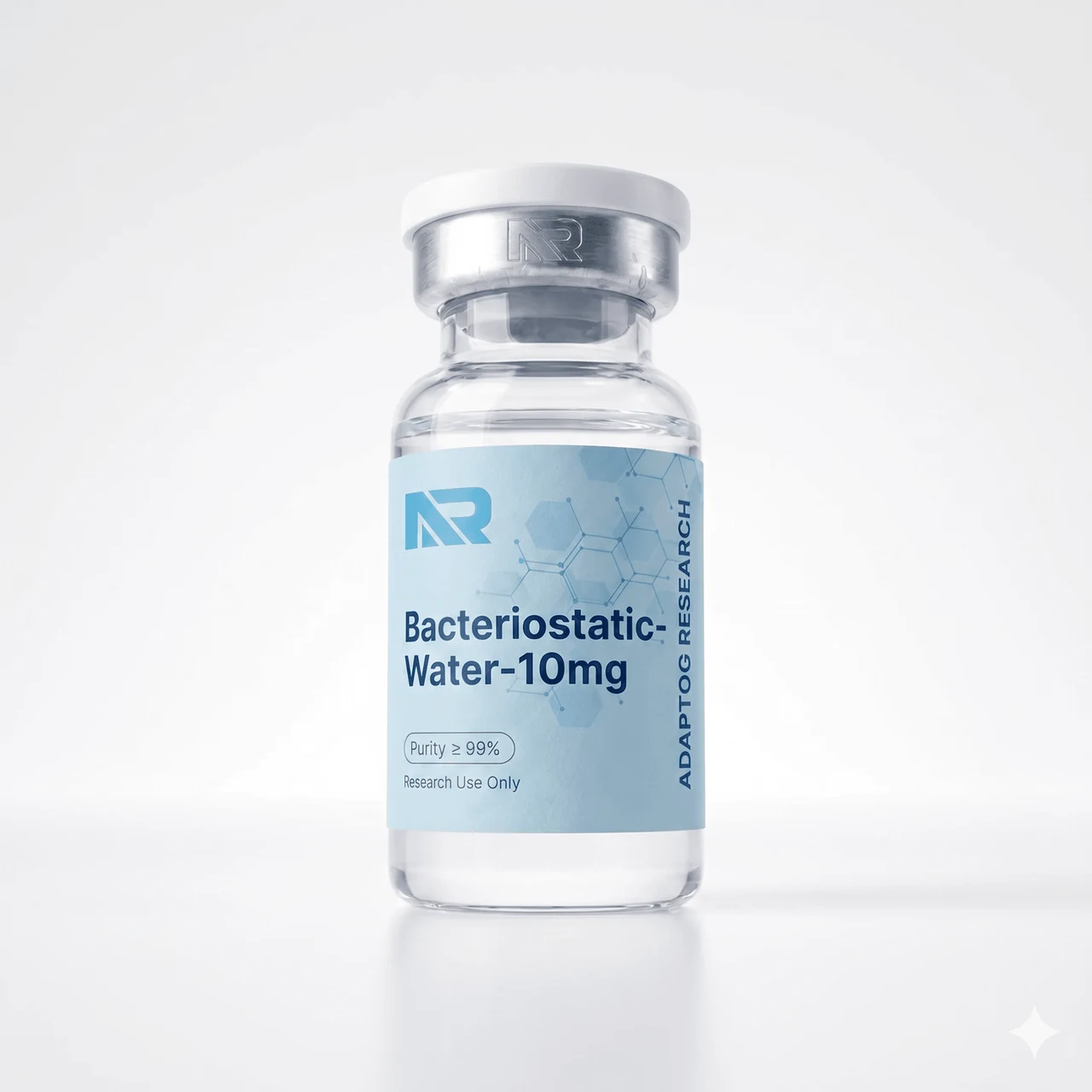
Once you add bacteriostatic water, stability drops from months to weeks. The peptide is now in solution, where hydrolysis and microbial risk both apply.
- Store reconstituted vials at 2–8°C (a standard refrigerator). Most remain usable for 4–6 weeks under cold storage.
- For longer holds, freezing at -20°C can extend that — but freeze in single-use aliquots.
Freeze-thaw is the silent killer
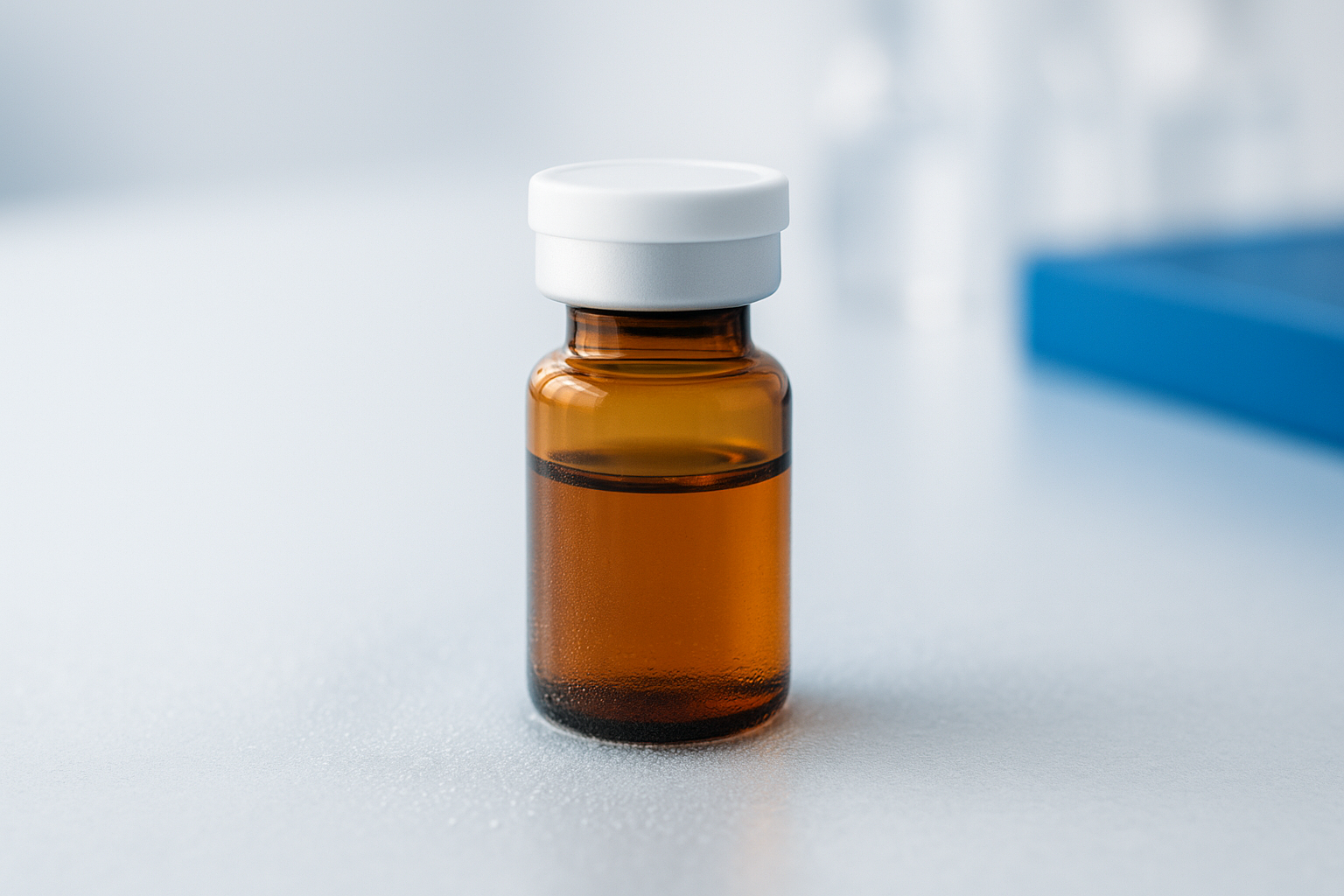
The single most common way labs degrade a reconstituted peptide is repeated freeze-thaw cycling. Each cycle physically stresses the molecule, and the damage accumulates. If you will return to a solution many times, split it into aliquots up front so each one is thawed only once. A reconstituted vial that is frozen and thawed ten times is not the same material you started with.
Light, and labelling
Some peptides — copper complexes such as GHK-Cu are a good example — are light-sensitive and should be kept in amber vials or wrapped from light. Whatever the compound, label every reconstituted vial with the date, the compound and the concentration. An unlabelled vial of unknown age is a discarded vial.
Quick reference
- Dry, sealed: room temperature short-term; -20°C long-term, away from light and moisture.
- Reconstituted: 2–8°C for 4–6 weeks; -20°C in aliquots for longer.
- Never refreeze a thawed aliquot; warm dry vials before opening.
Good storage protects the purity you paid for. For the reconstitution side of this, see our reconstitution guide and calculator; to verify what you started with, see how to read a COA.
For research use only. This article is educational and does not describe human, clinical or veterinary use.
Written and reviewed to our editorial standards. Explore the research peptide catalog or read more in Research Notes.
For research use only · Not for human or veterinary use